From inclusion to inclusive training practice
26.10.2026
Following the first module in June 2026, the participants of the “We Make Democracy” – Academy: ToT continued their learning journey with a focus on Democracy & Inclusion.
We Make Democracy – Academy: Module 2
Following the first module in June 2026, the participants of the “We Make Democracy” – Academy: ToT continued their learning journey with a focus on Democracy & Inclusion.
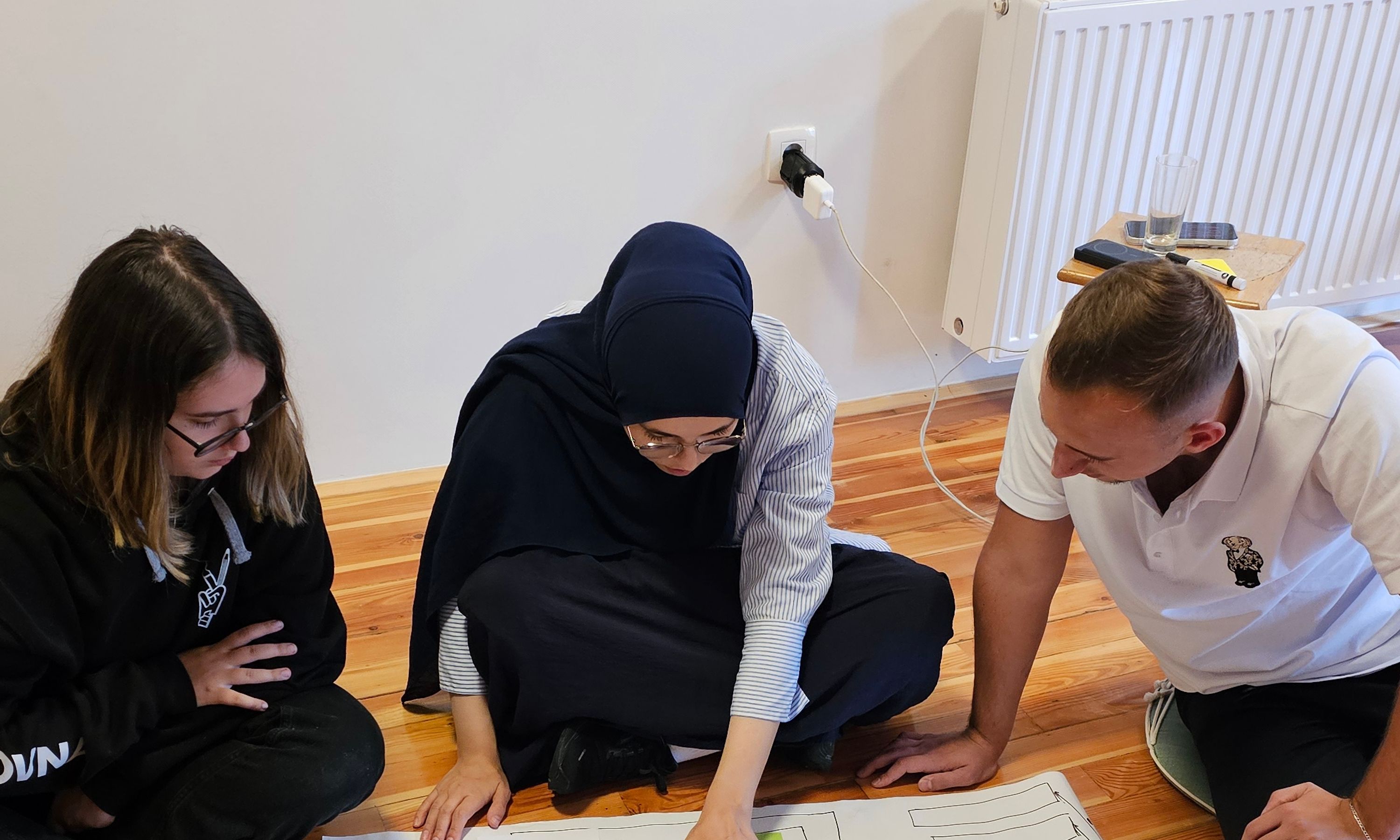
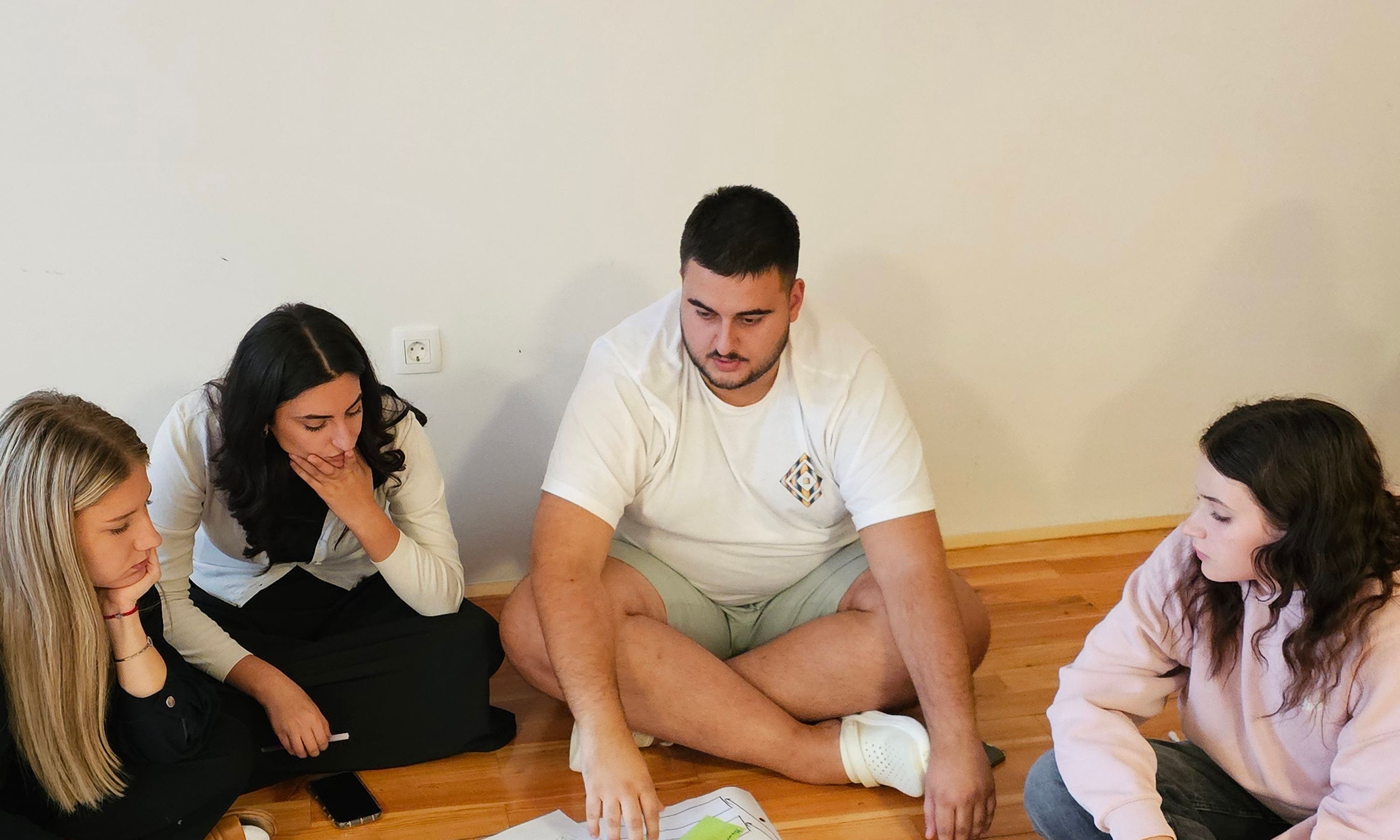
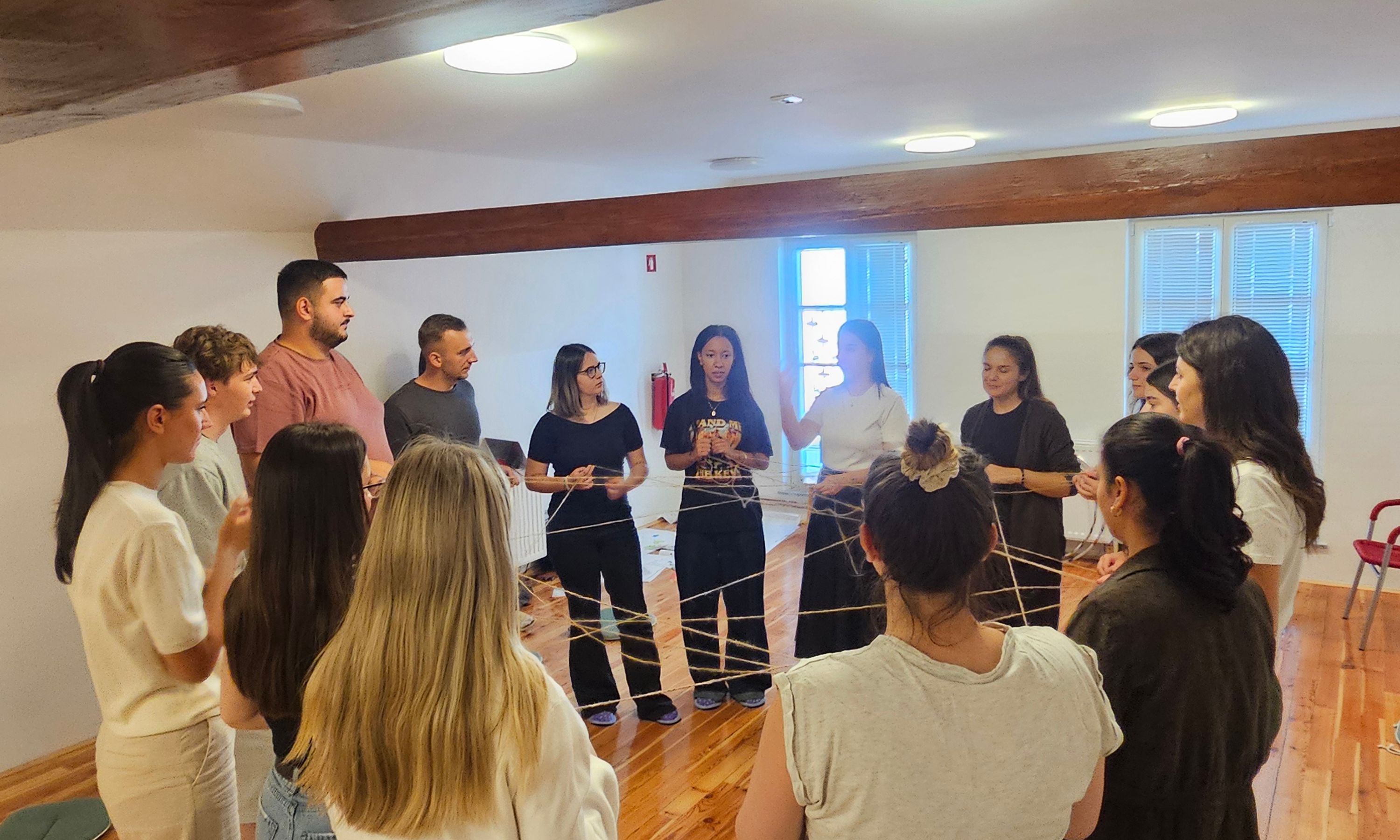
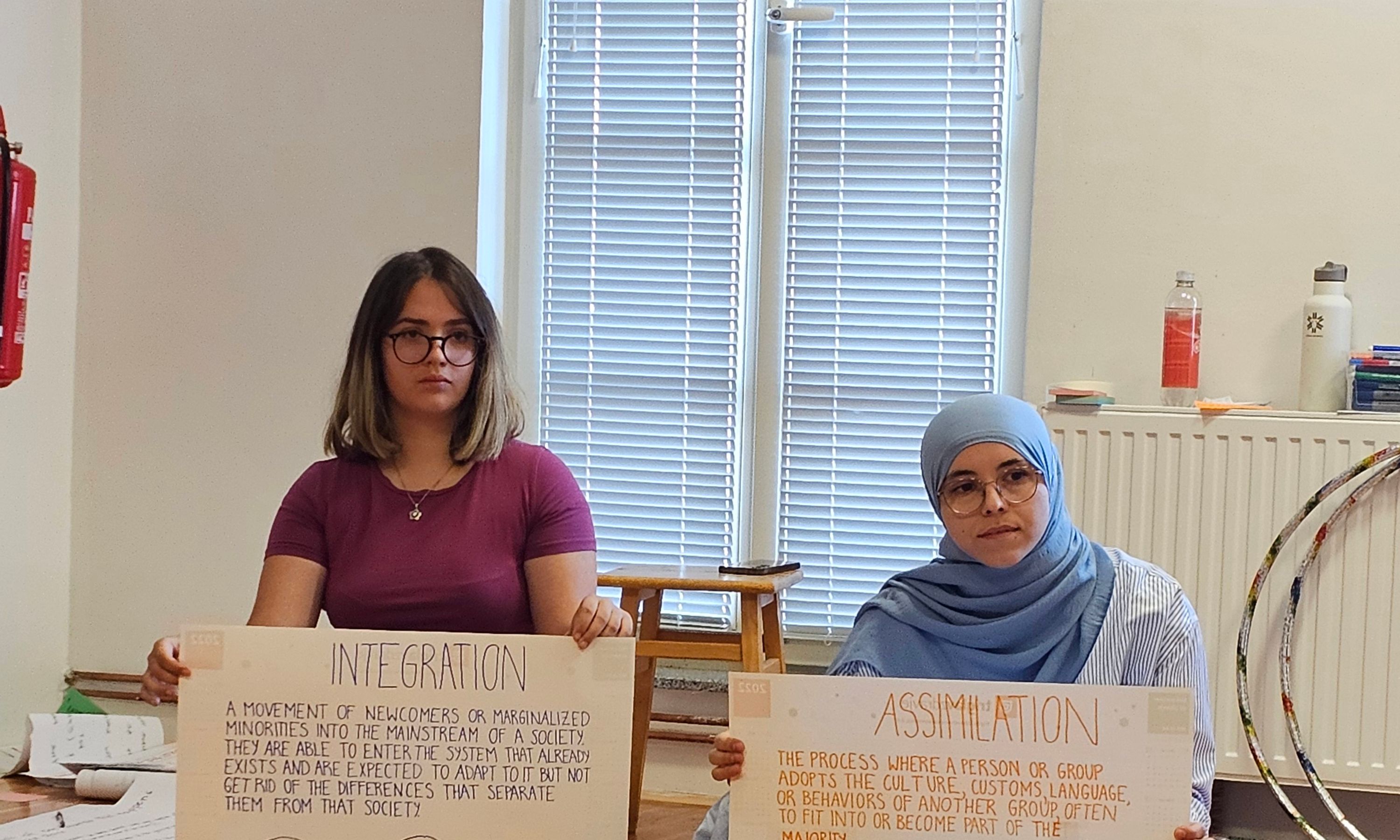
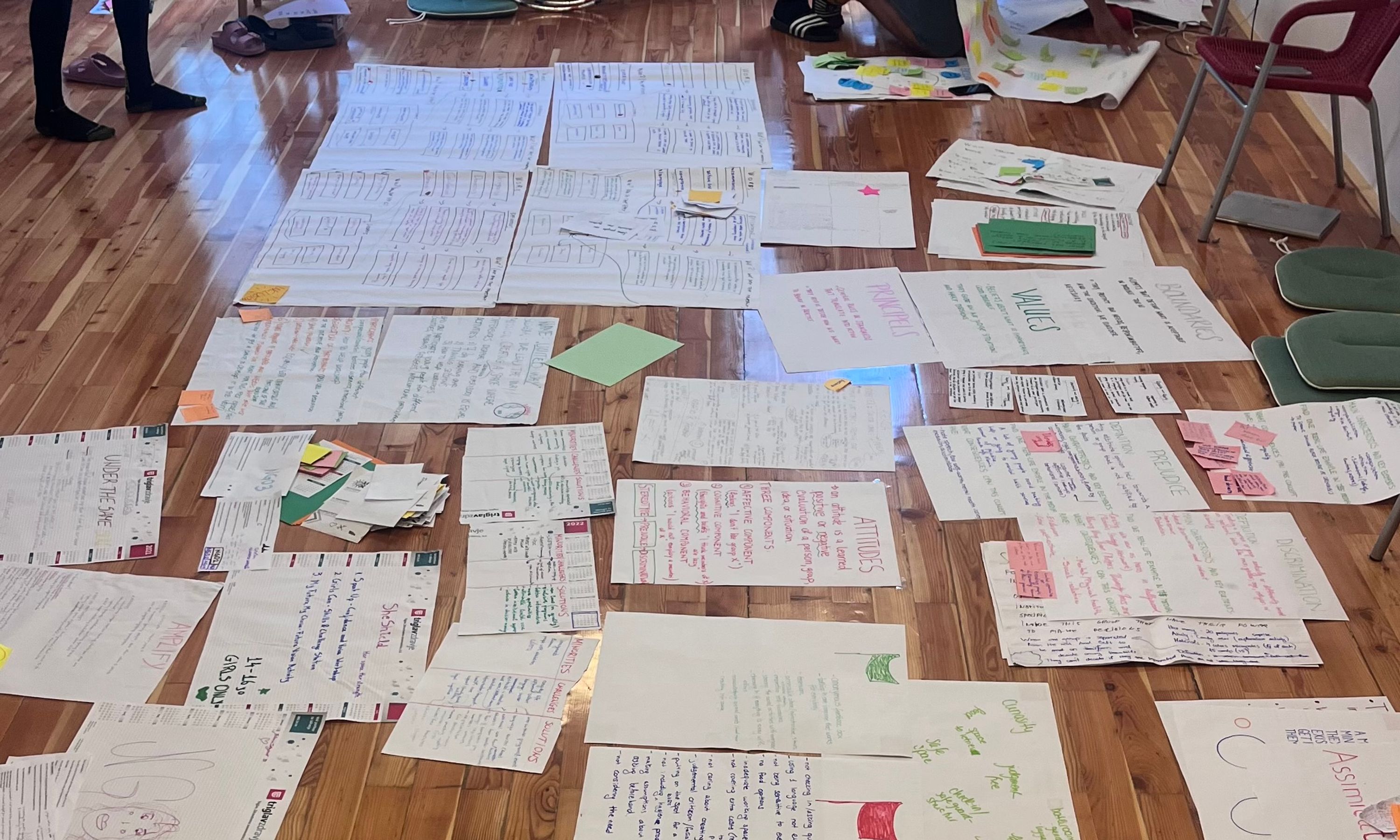
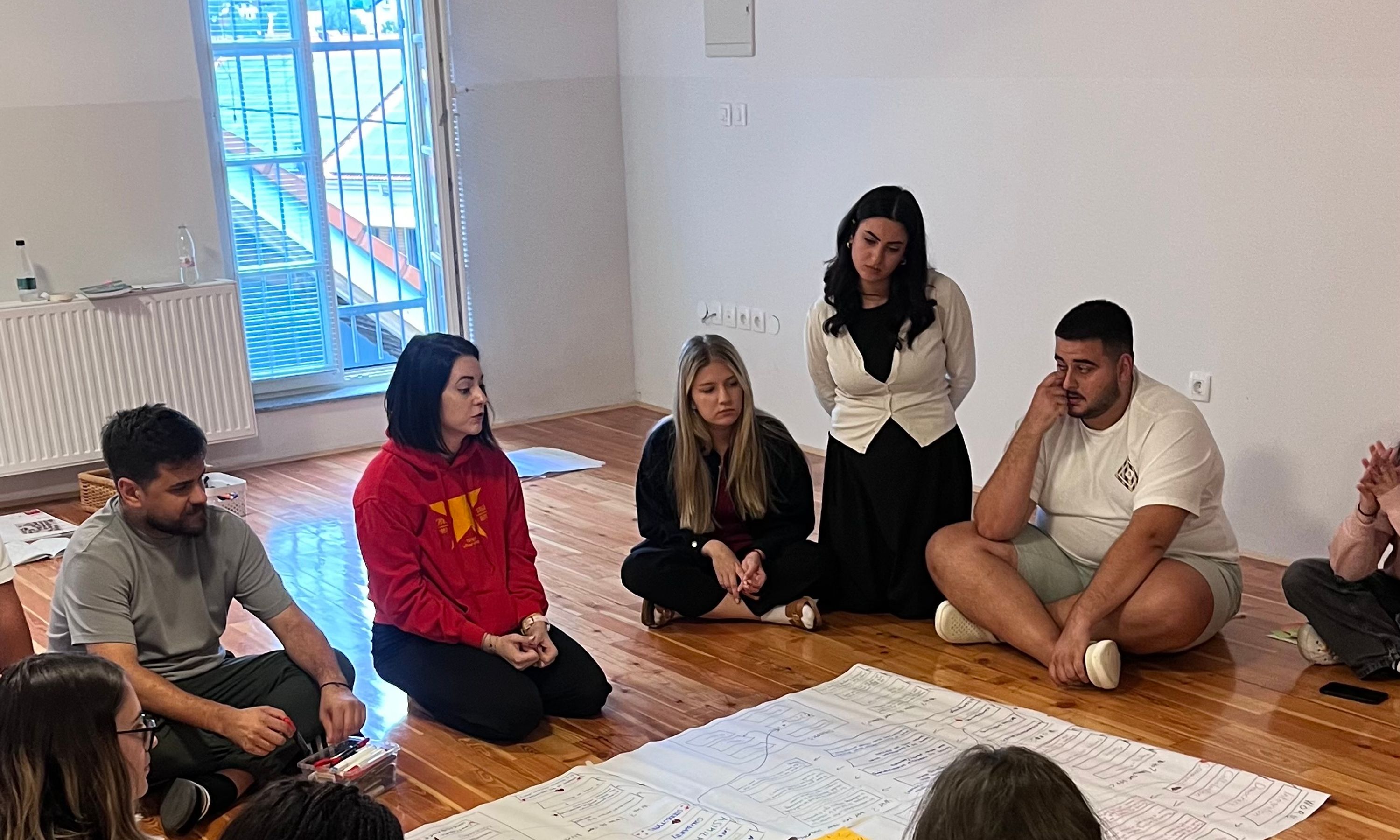
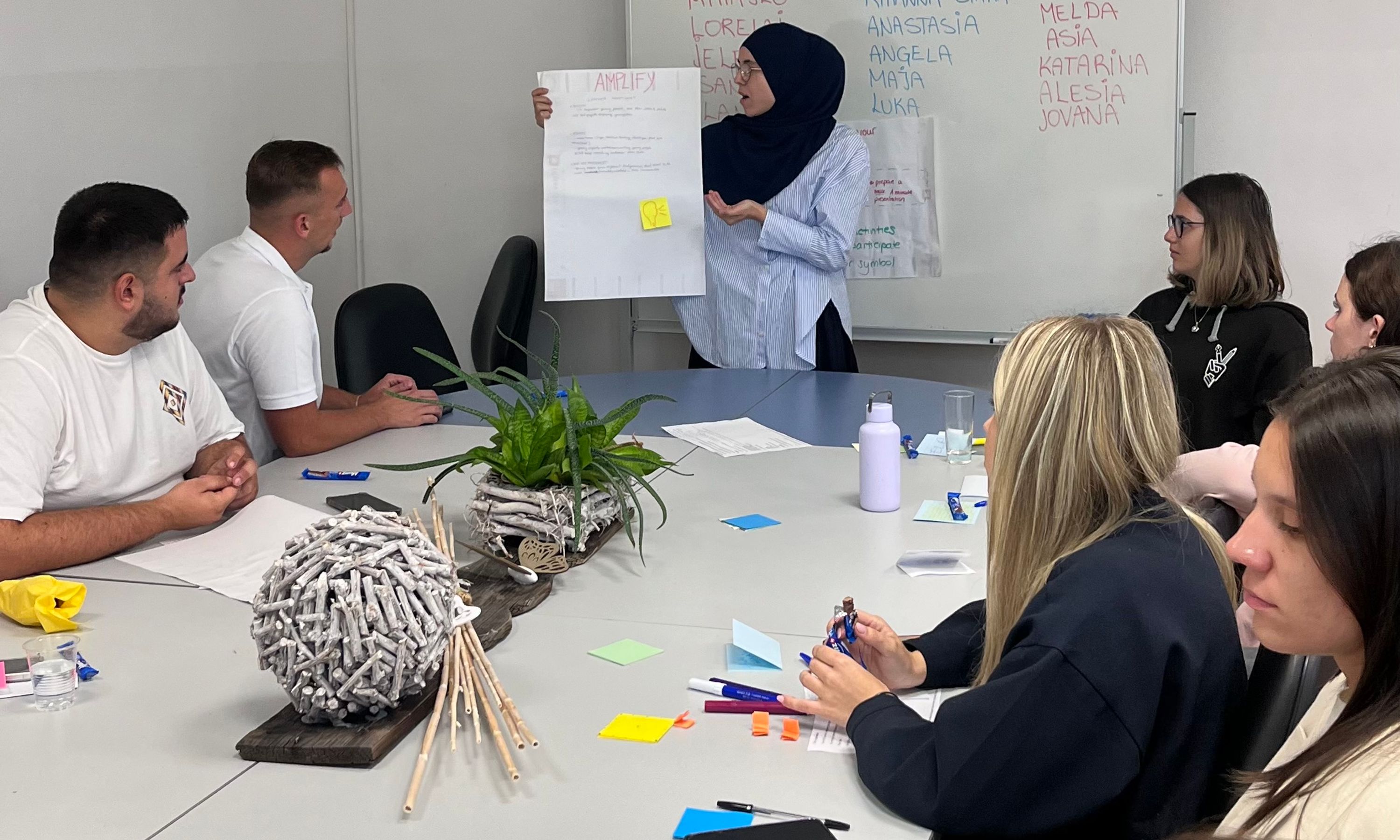
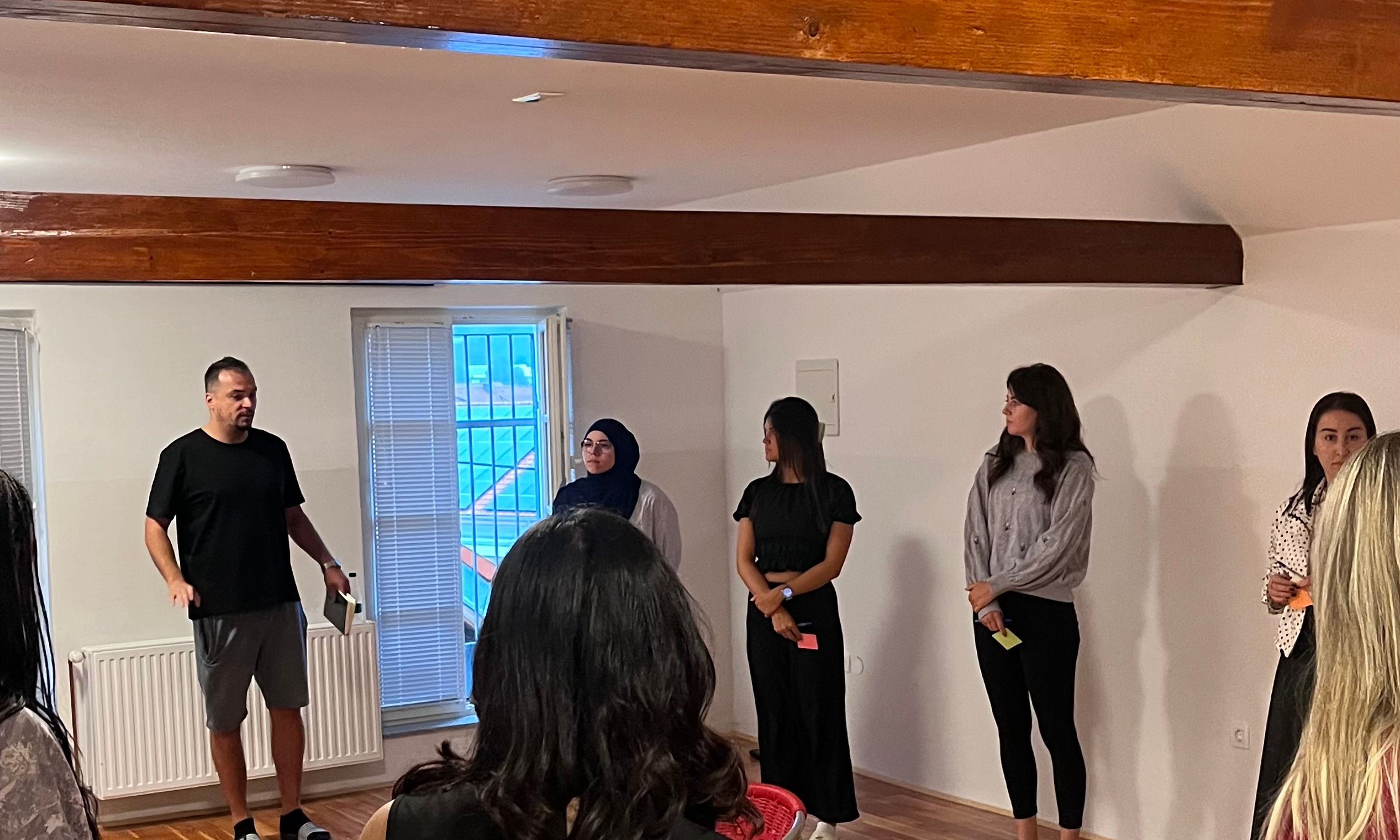
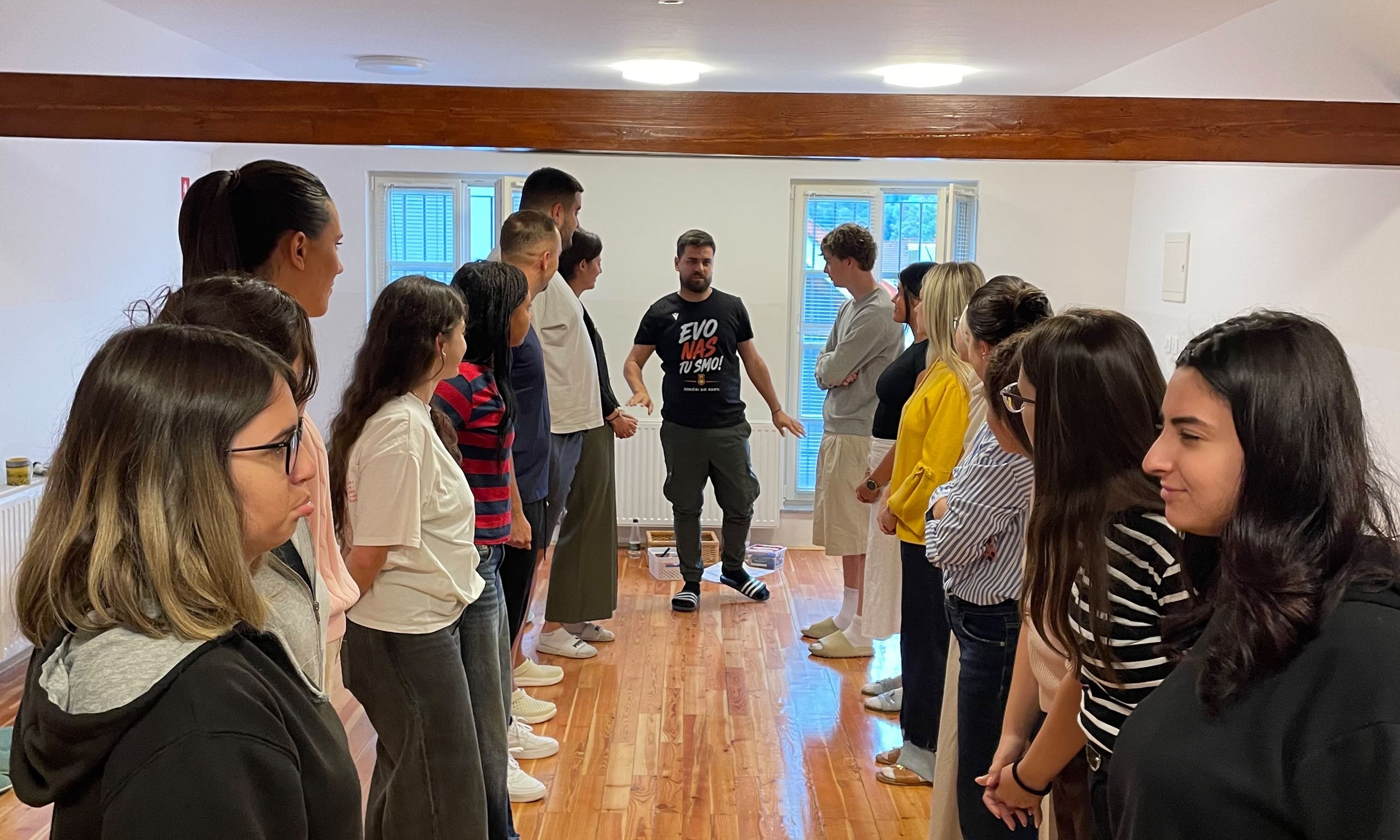
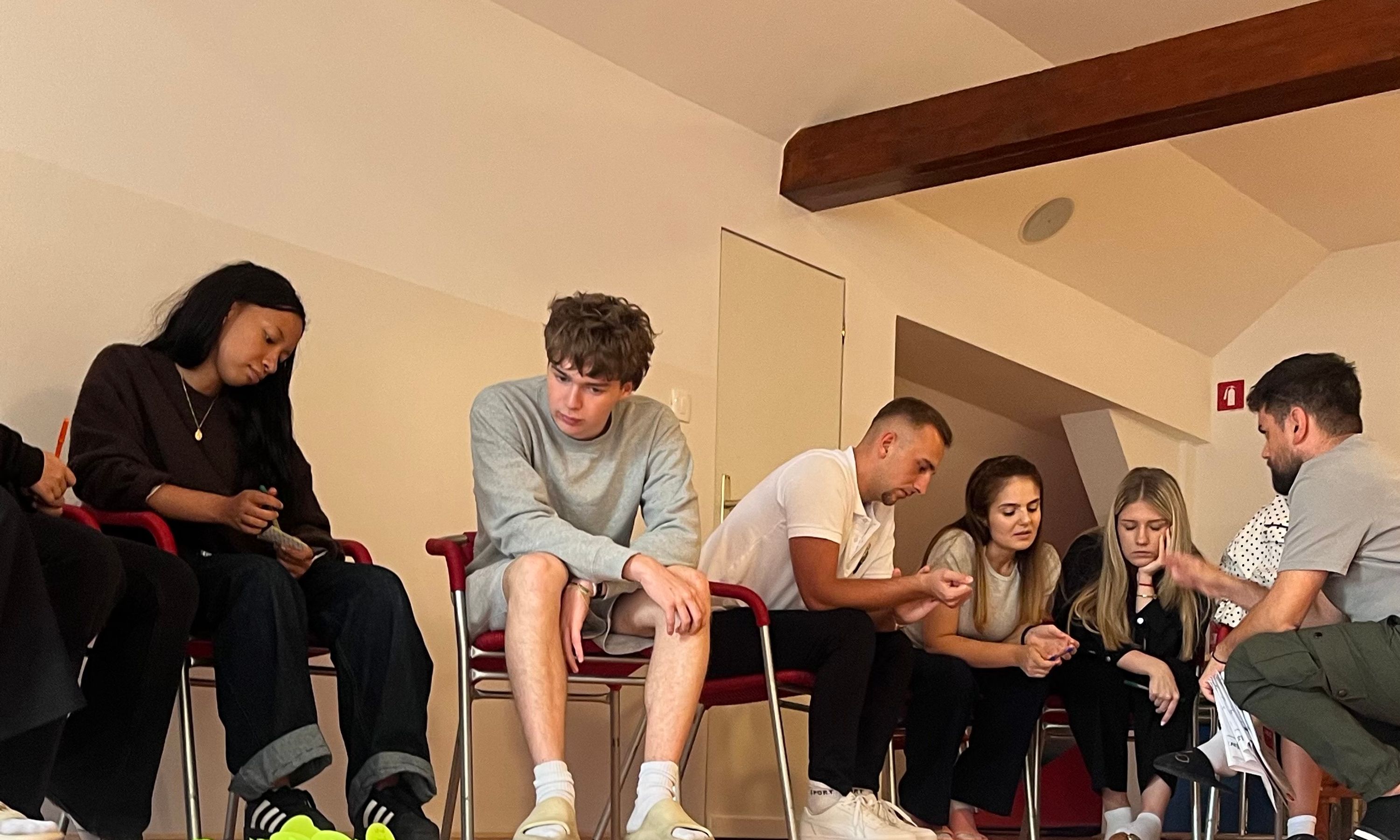
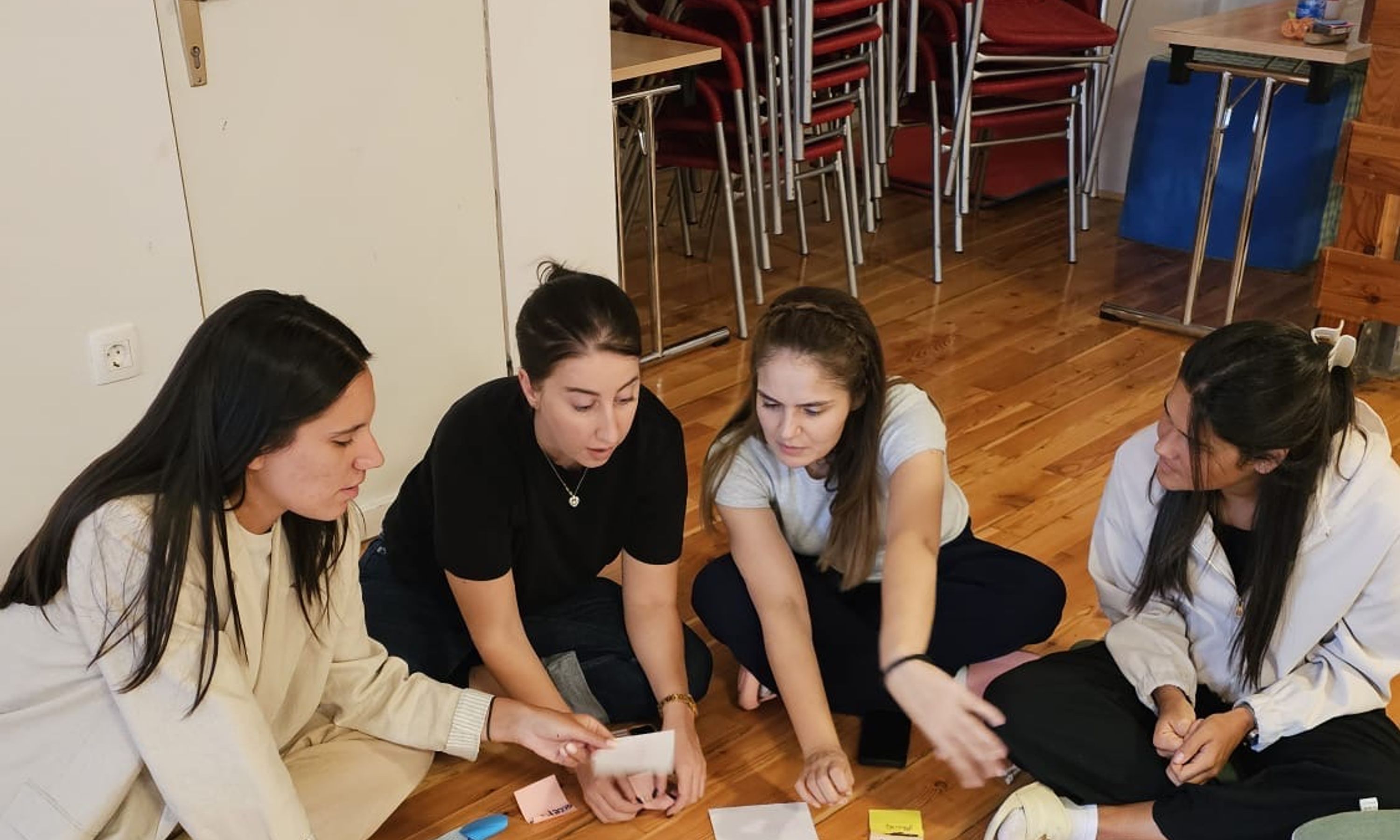
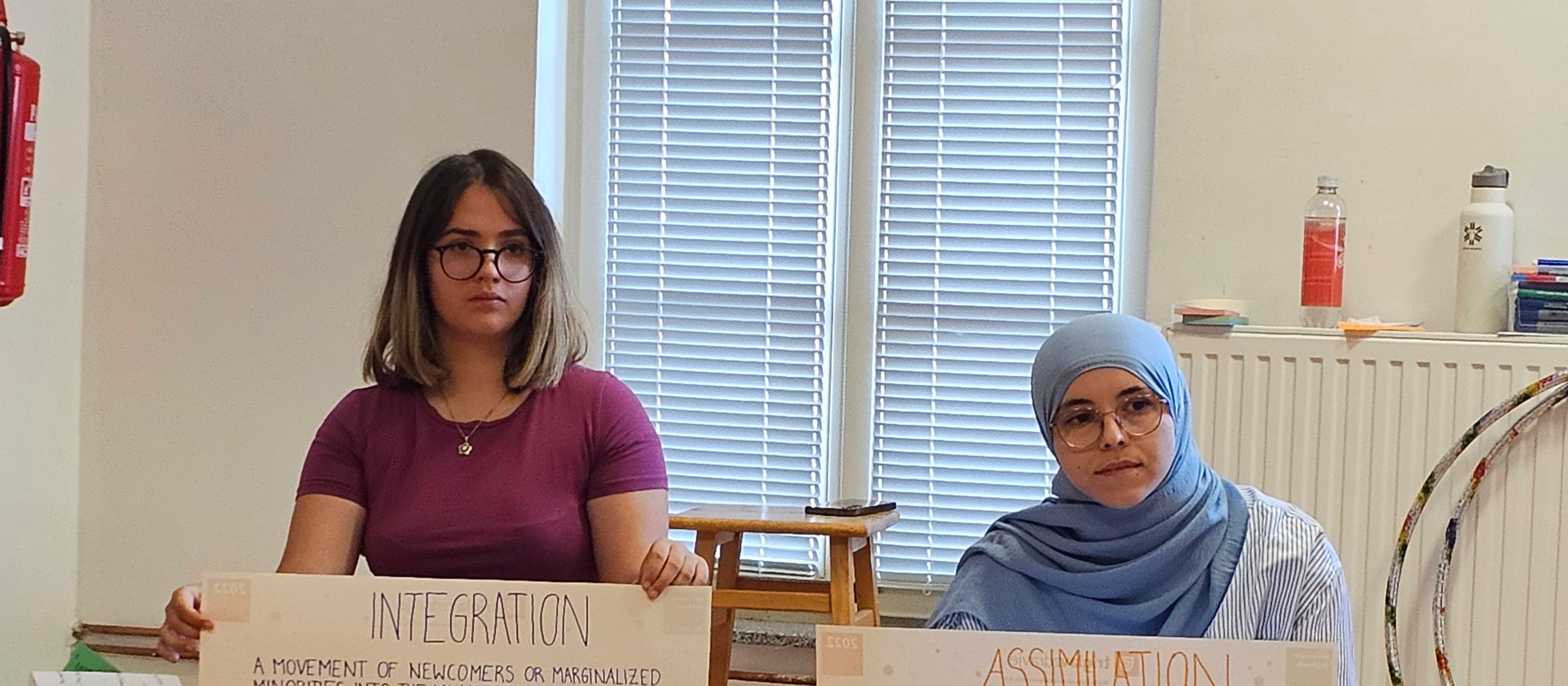
Together, they explored inclusion and exclusion processes, stereotypes, assimilation and the role of trainers in creating inclusive learning spaces. Through practical exercises, theoretical inputs and reflection, they examined how their own values, assumptions and approaches shape their work as trainers.
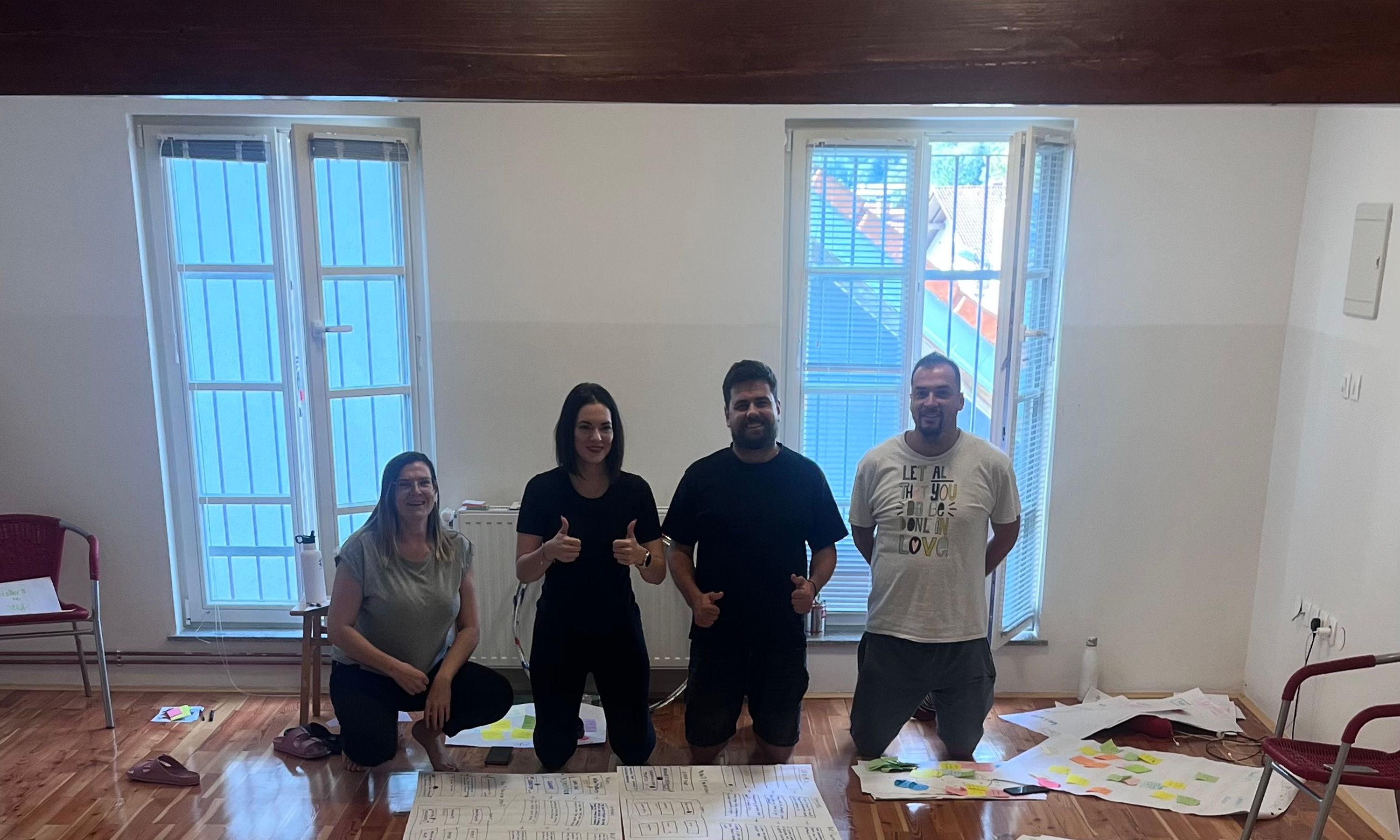
Learning moved from reflection into practice. Participants developed and facilitated their own sessions, including “Stereoytpes”, “One room. Different worlds. (About Minorities)” and “Hey there, new girl! (About Assimilation)”. For the first time, individual feedback was introduced to support participants in reflecting on their strengths and identifying areas for further development.
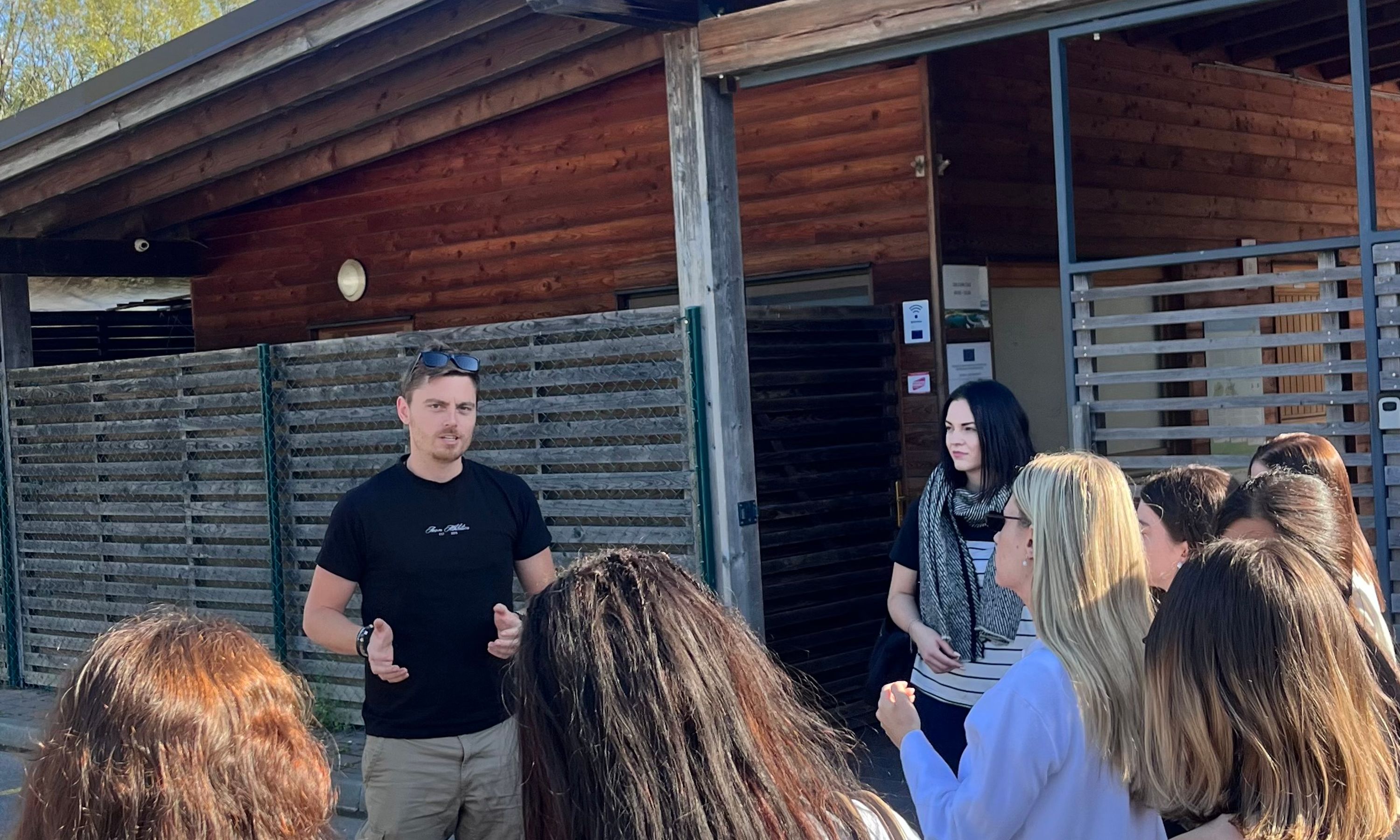
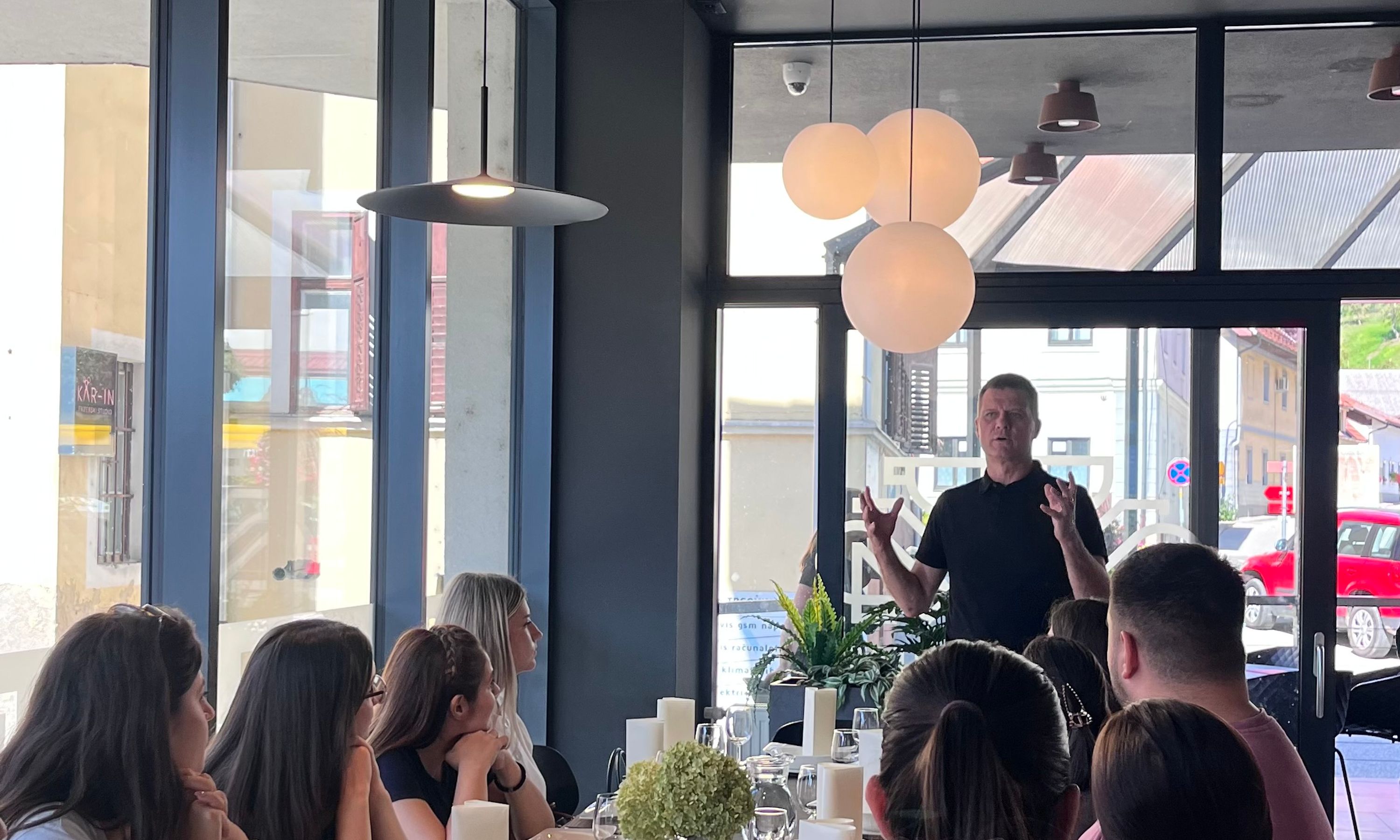
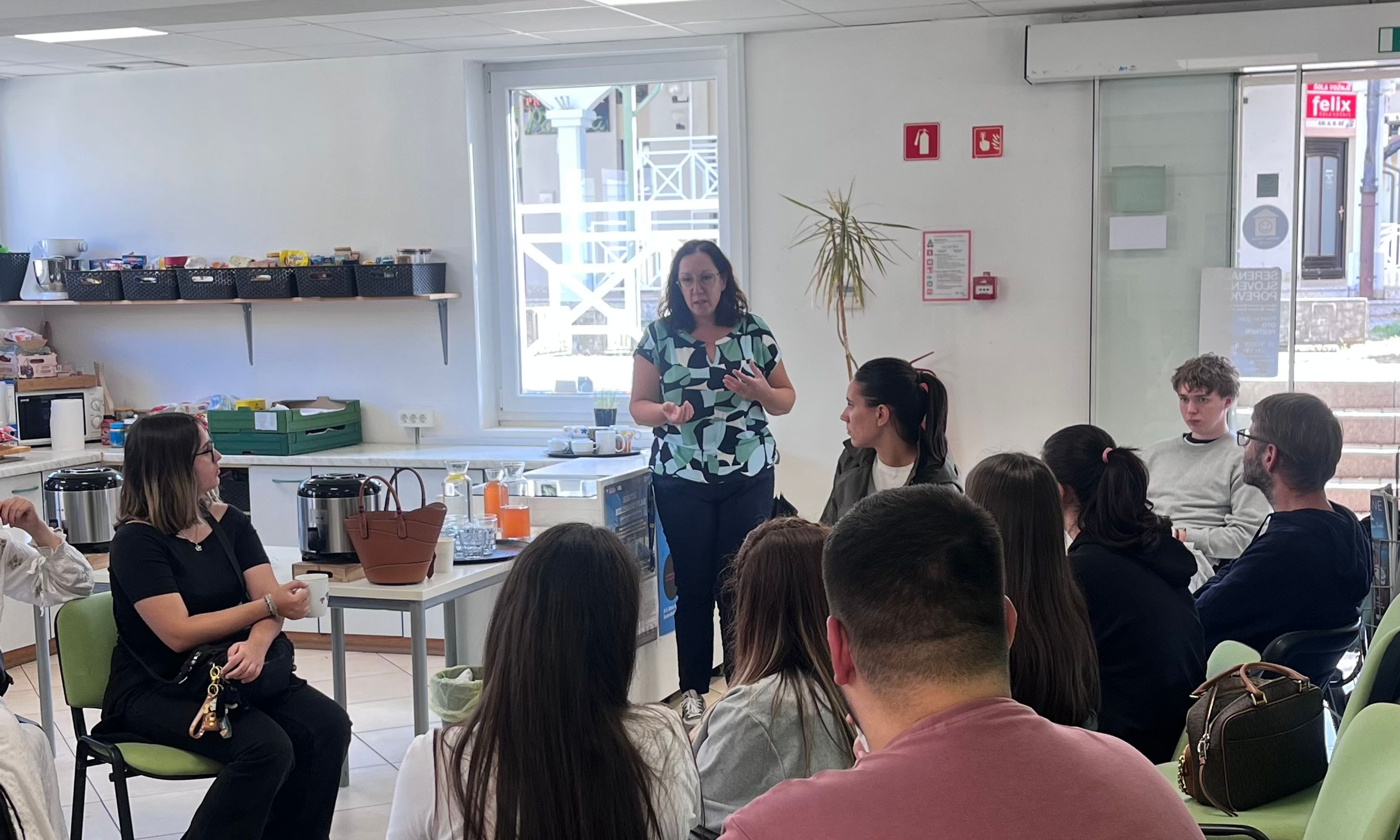
The module also connected learning to local realities. In Radlje ob Dravi, participants met the mayor, Dr Alan Bukovnik, who shared insights into local community development, participation and cooperation. A visit to the local youth centre illustrated how accessible spaces can create opportunities for young people to meet, participate and feel included. This offered a practical perspective on how inclusion can be fostered within local communities.
The self-assessments show encouraging signs of development. Participants reported the strongest increases in their understanding of inclusion and exclusion processes, their range of methods and tools as trainers, and their ability to adapt methods to different needs and abilities. These results suggest that participants are becoming better equipped to translate inclusive principles into their training practice.
The assessments also provide first indications of transfer beyond the Academy. Before Module 2, six of the 15 participants who completed both assessments reported having already fully or partly applied methods or approaches from Module 1 in their own contexts.
By combining self-assessments, individual feedback, learning journals and reflection, we continue to explore how participants develop their competencies and how learning translates into practice. Module 2 built on the foundations of the first module, deepening participants’ understanding of inclusion and supporting their development as reflective and adaptable trainers.